



Prefabricated timber façades: the retrofit solution that speeds up timelines, comfort and safety
From energy efficiency to seismic upgrading, prefabricated timber façades are emerging as one of the most effective solutions for upgrading existing buildings. This is particularly true when a project needs to balance efficiency, construction timelines and architectural quality. But what does it really mean to shift the building envelope to an off-site construction model? And under what conditions does this solution become more competitive than traditional systems? We put these questions to engineers Fabio Ferrario of Armalam and Marco Raviolo of d-quadro at the Mass Timber Seminar Italia.
What are the main advantages of off-site prefabricated façades compared with a traditional retrofit?
"The first distinguishing feature of off-site construction," explains Ferrario, “is the ability to industrialise the process. While design and preparation may take longer, on-site construction time can be reduced to as little as one-third of that required by conventional solutions. Moreover, moving complex operations to the factory removes many of the uncertainties associated with on-site construction and reduces dependence on specialised labour, which is not always readily available."
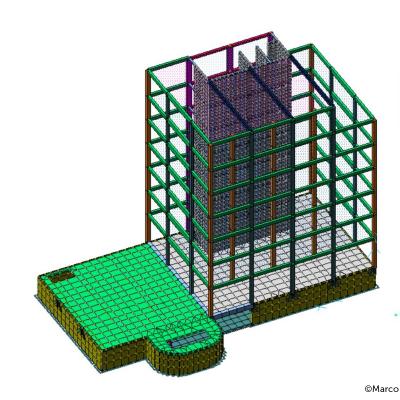
“An additional benefit,” adds Raviolo, “becomes apparent in seismic retrofit projects. With timber, particularly in retrofit applications, it is possible to achieve both structural improvement and a significant upgrade in building envelope performance at the same time, avoiding the need to tackle strengthening and insulation at different stages.”
Which building types are best suited to this approach today?
"The initial idea," both engineers agree, "was to focus on private residential buildings, where a prefabricated timber façade can provide a higher-performing and architecturally more advanced solution than a traditional external insulation system. Over time, however, the most interesting opportunities have emerged in the commercial and service sector, particularly in reinforced concrete buildings from the 1950s and 1960s, which are often now energy-inefficient and no longer competitive. In recent years, the public building stock has also proved to be a particularly promising field of application, starting with schools. In these contexts, retrofitting the building envelope simultaneously addresses energy-efficiency requirements and seismic upgrading needs, making the investment more robust from both a technical and economic perspective."
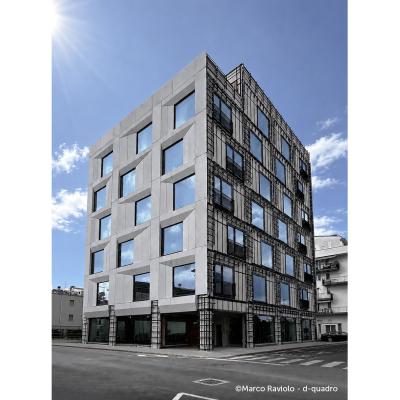
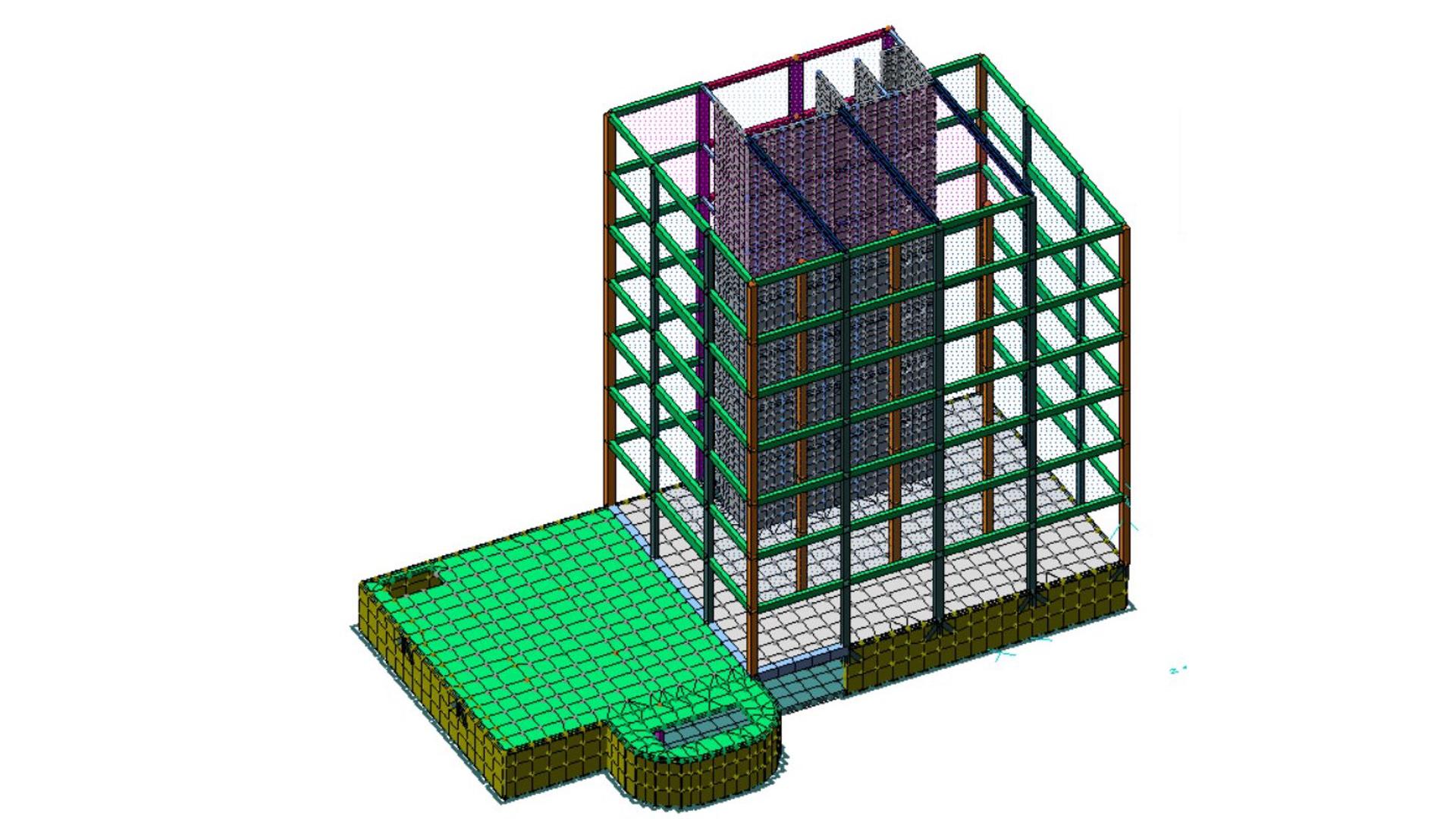
"One of the most significant examples is the Fossano secondary school: a reinforced concrete building that underwent seismic retrofitting using a CLT exoskeleton, delivered by d-quadro. Working from the outside made it possible to preserve classrooms, building services and furnishings, while accelerating construction and streamlining both cost management and site operations."
When we talk about off-site prefabricated façades, what exactly do we mean? What components arrive on site already completed?
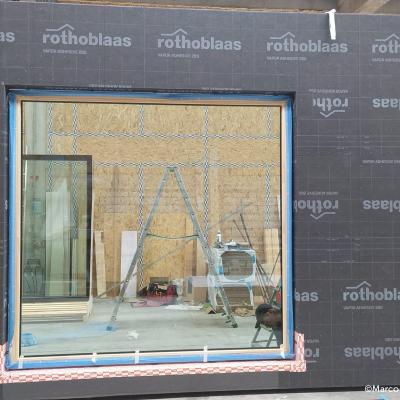
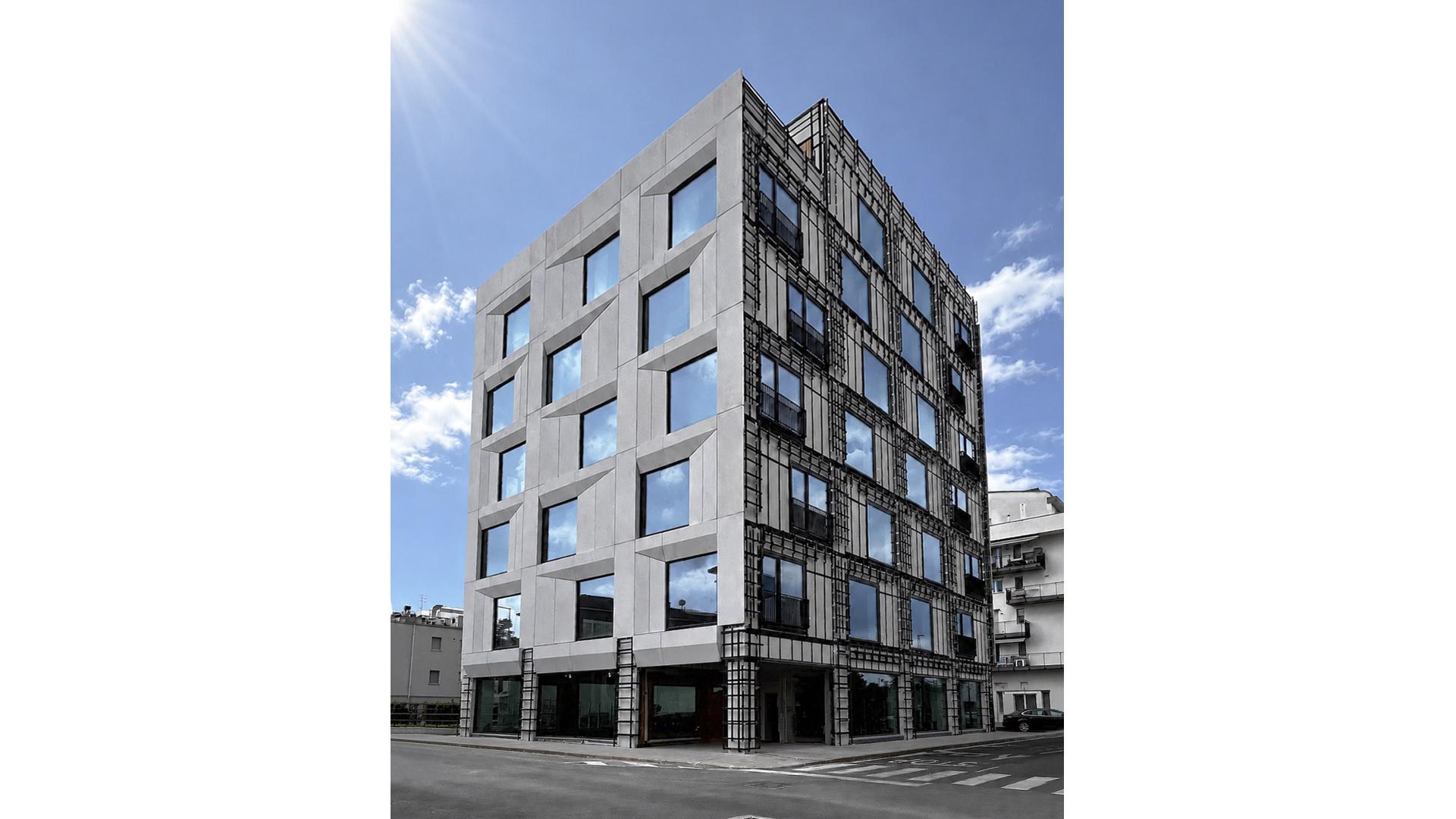
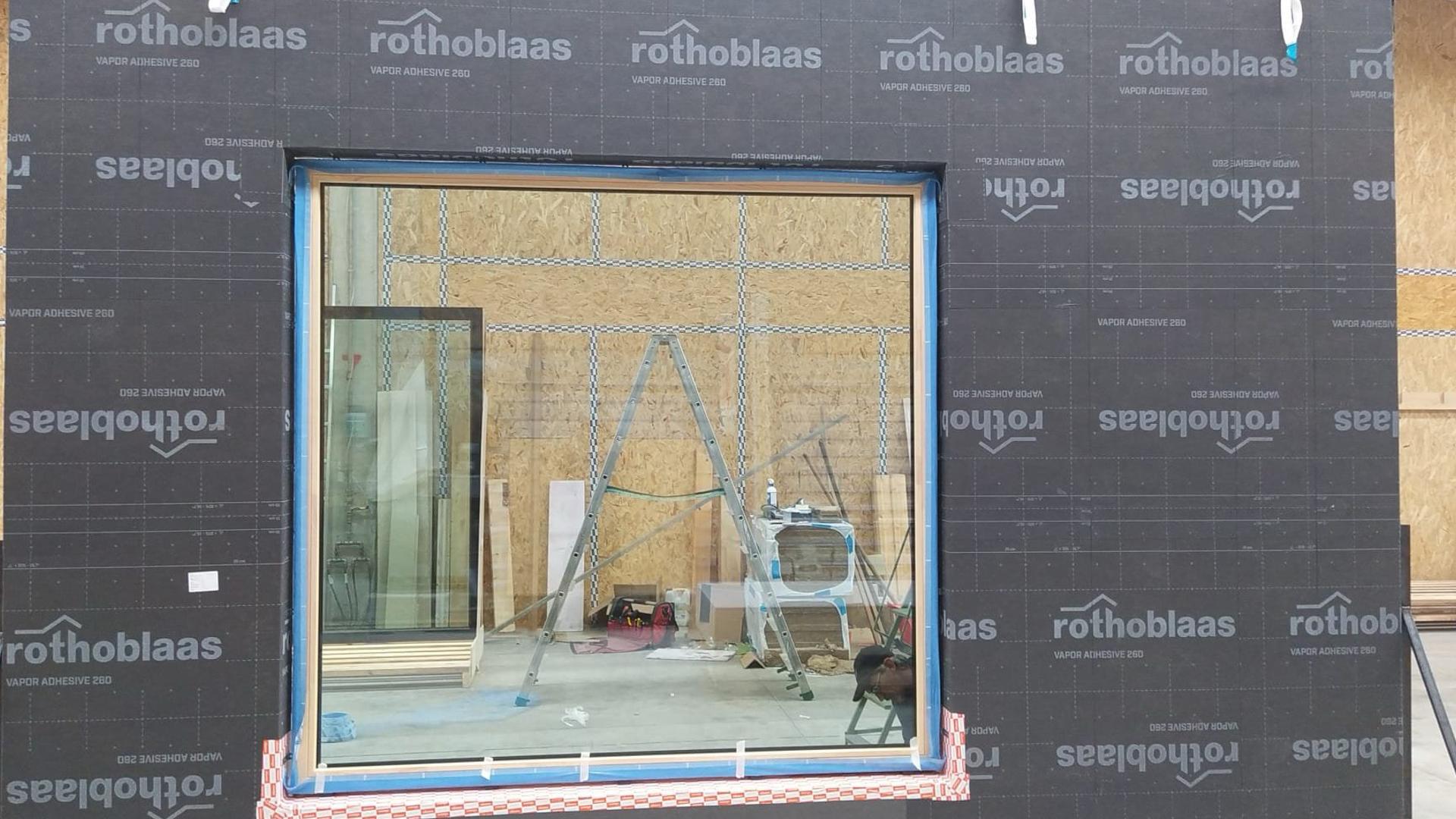
“We need to move beyond a narrow view of the building envelope,” Ferrario continues. “The goal should not simply be to improve energy efficiency, but to design buildings that can deliver measurable levels of well-being. This is the thinking behind Renew-Wall, a modular system developed for non-invasive energy and architectural refurbishment. Installed from the outside, it is designed to combine thermal insulation, doors and windows, solar shading and mechanical ventilation within a single prefabricated element. The system was developed to bring together comfort and performance, with an approach aimed at minimising disruption for occupants while enhancing the overall quality of the retrofit."
"In Povo,” Ferrario adds, referring to some of the most recent projects, “Renew-Wall was applied to an occupied residential building as part of the European ARV project, demonstrating that external retrofit work can be carried out in a very short timeframe and without scaffolding. In Greve in Chianti, meanwhile, as part of the INFINITE project, the use of multifunctional prefabricated panels highlighted how off-site refurbishment can integrate the building envelope and building services components within an industrialised deep retrofit approach."
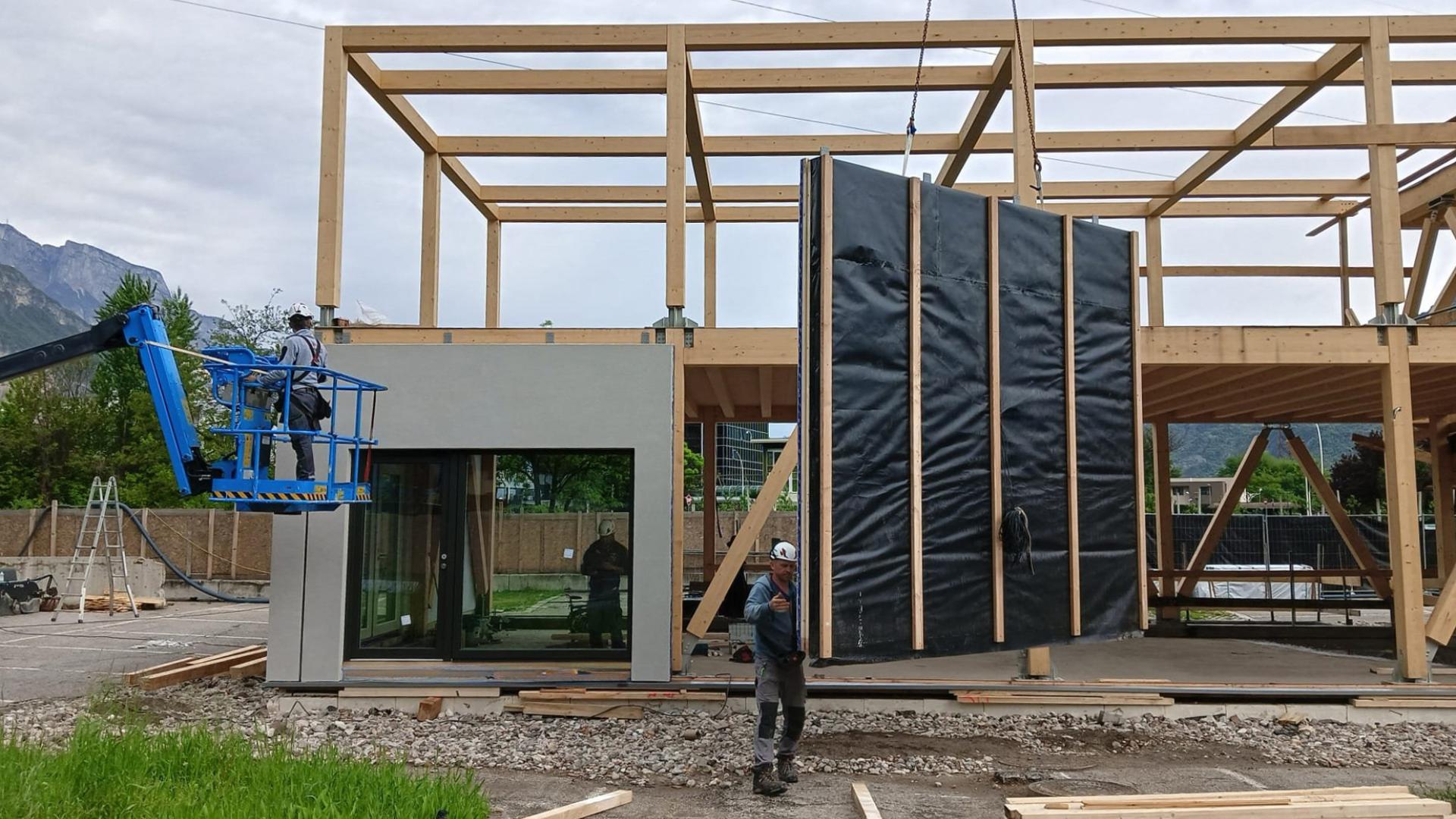
"The strategy is clear: transfer as many construction activities as possible to the factory. In the more advanced Northern European markets,” notes Raviolo, “panels arrive on site fully finished, whereas in other contexts, some operations are still completed on site. Even in these cases, however, the advantages remain clear: fewer activities at height, greater quality control and faster assembly times.”
What role does Design for Assembly play in building envelope design?
“To be truly effective,” Ferrario points out, “prefabrication requires an accurate survey of the existing building, the creation of a digital model and highly detailed working design. In this context, BIM is not simply a representation tool; it is an operational resource that makes it possible to transform an existing building into a system that can be assembled with controlled tolerances. In short, engineering is what enables the construction process to become genuinely fast, reliable and repeatable.”
One of the main constraints on a traditional construction site is scaffolding. How can this be overcome?
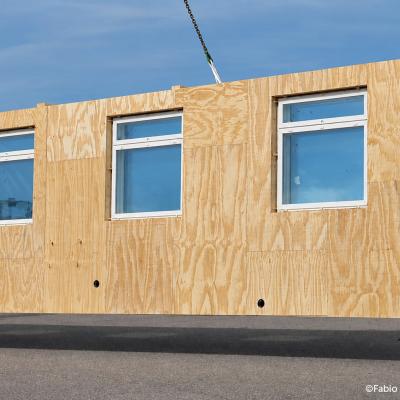
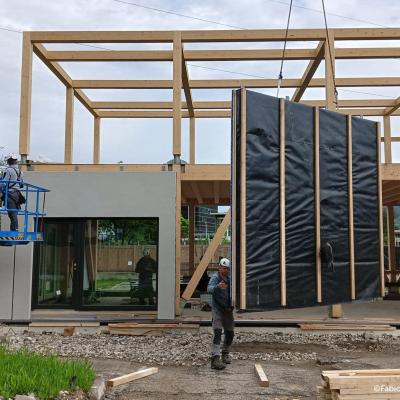
"Reducing the need for scaffolding," Ferrario explains, "relies on installation methods using mobile cranes to lift and position the panels against the façade before fixing them directly to the structure. In many cases, this approach makes it possible to drastically reduce – or even eliminate – the use of scaffolding."
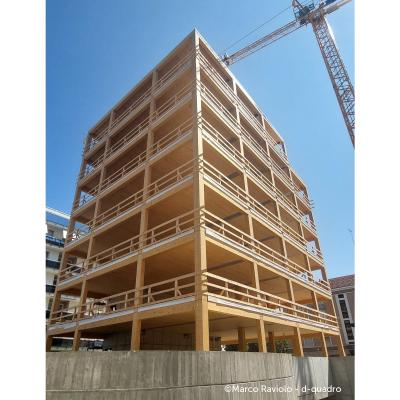
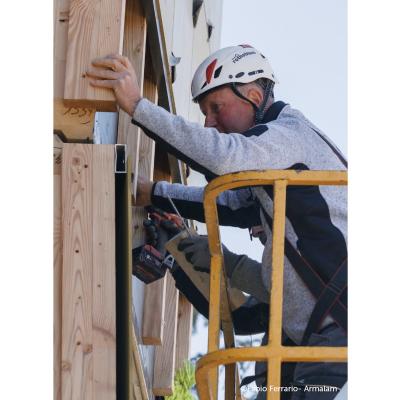
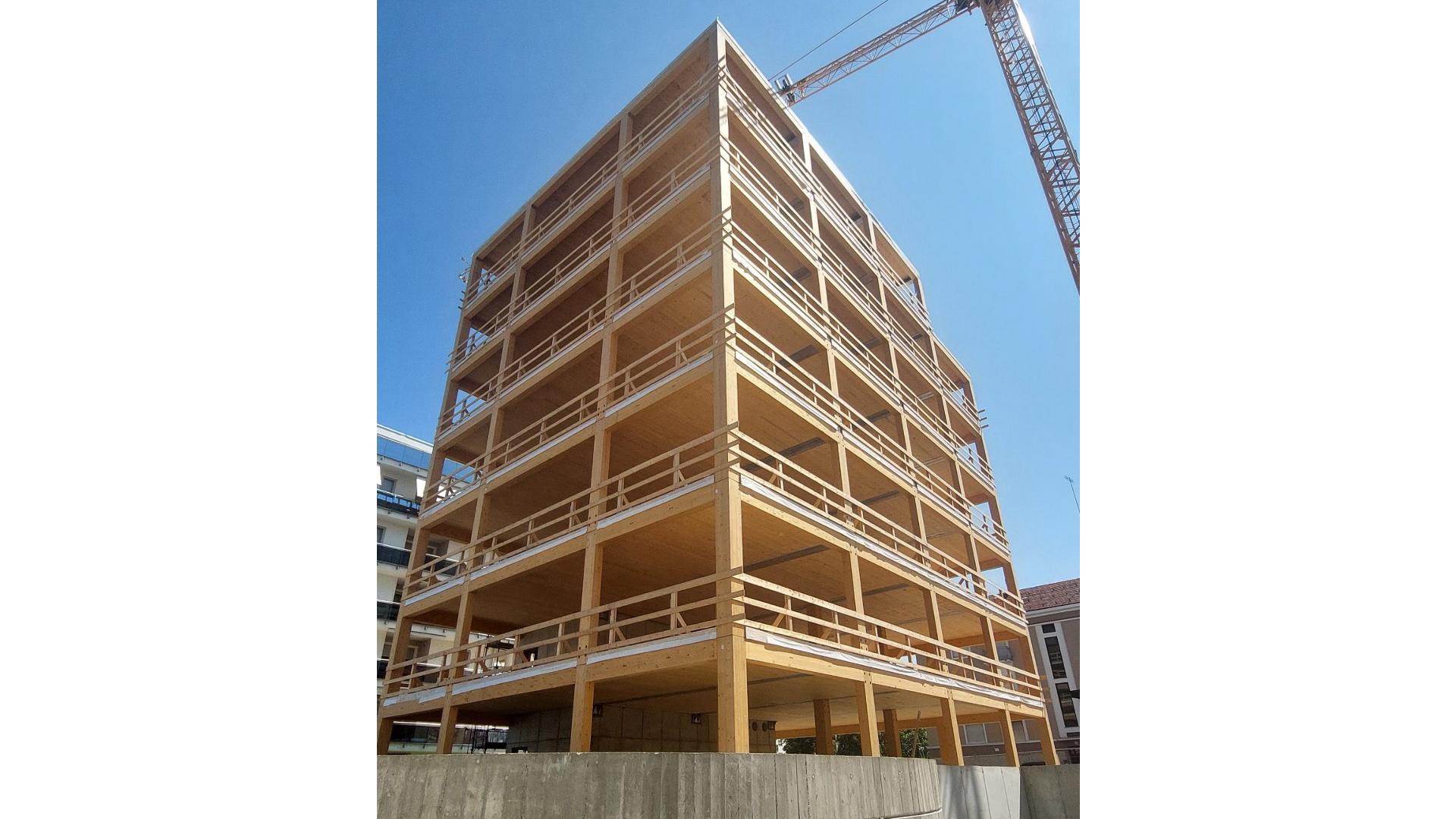
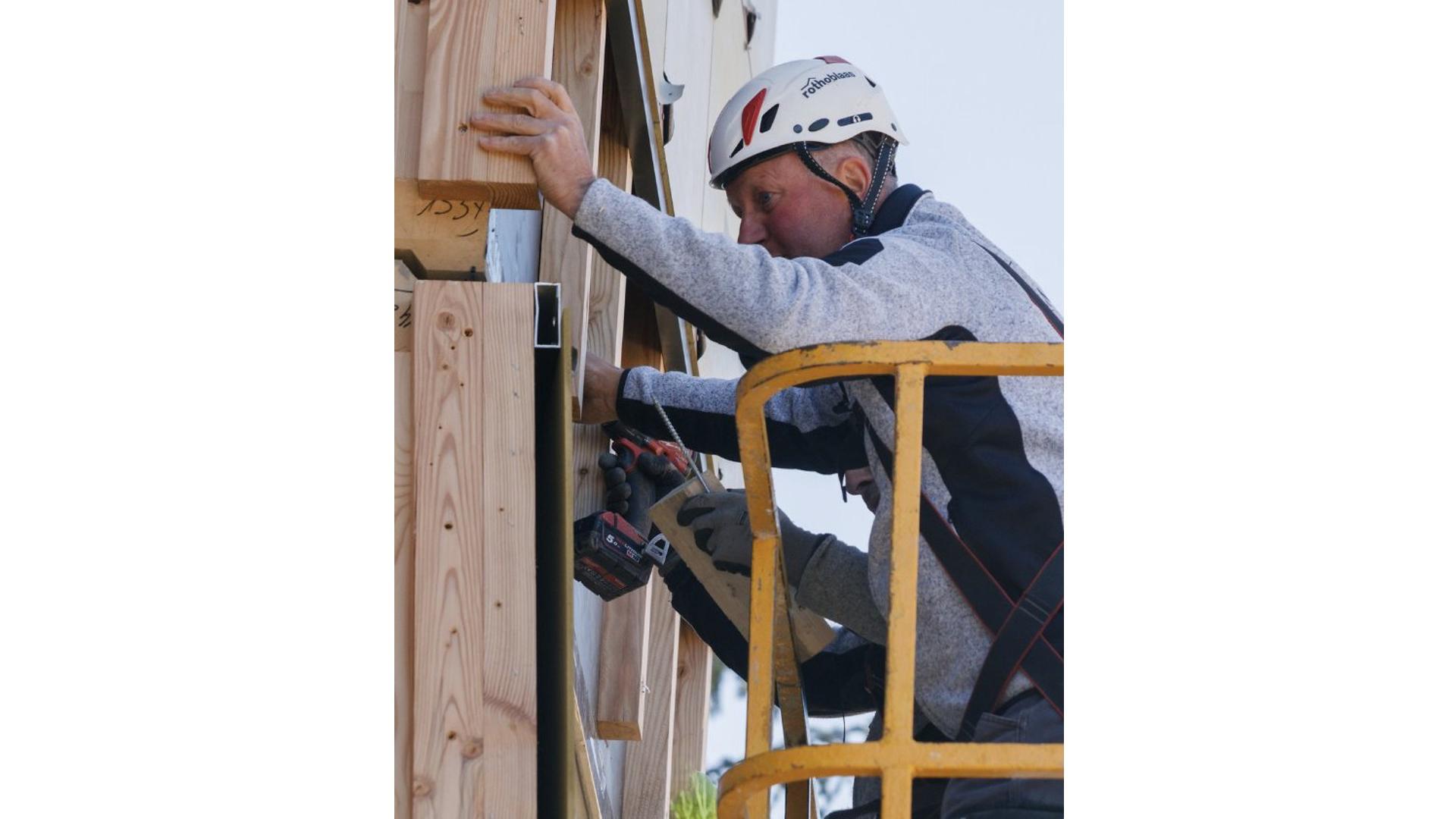
"For the design of d-quadro’s new offices, on the other hand, assembly was organised using temporary timber railings fixed to the columns, as well as lifelines installed on the CLT floor structure, allowing the modules delivered from the outside to be secured from within the building."
"The result," both engineers emphasise, "is a cleaner, less disruptive construction site with risks that are easier to manage."
Why is timber particularly well suited to these systems? And how are connection details addressed?
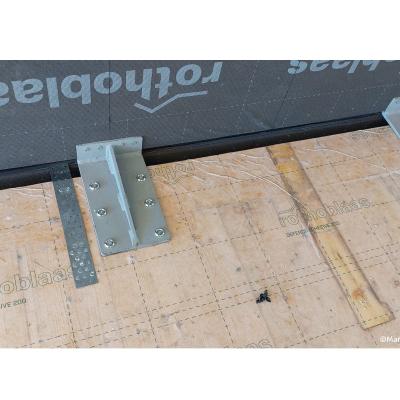
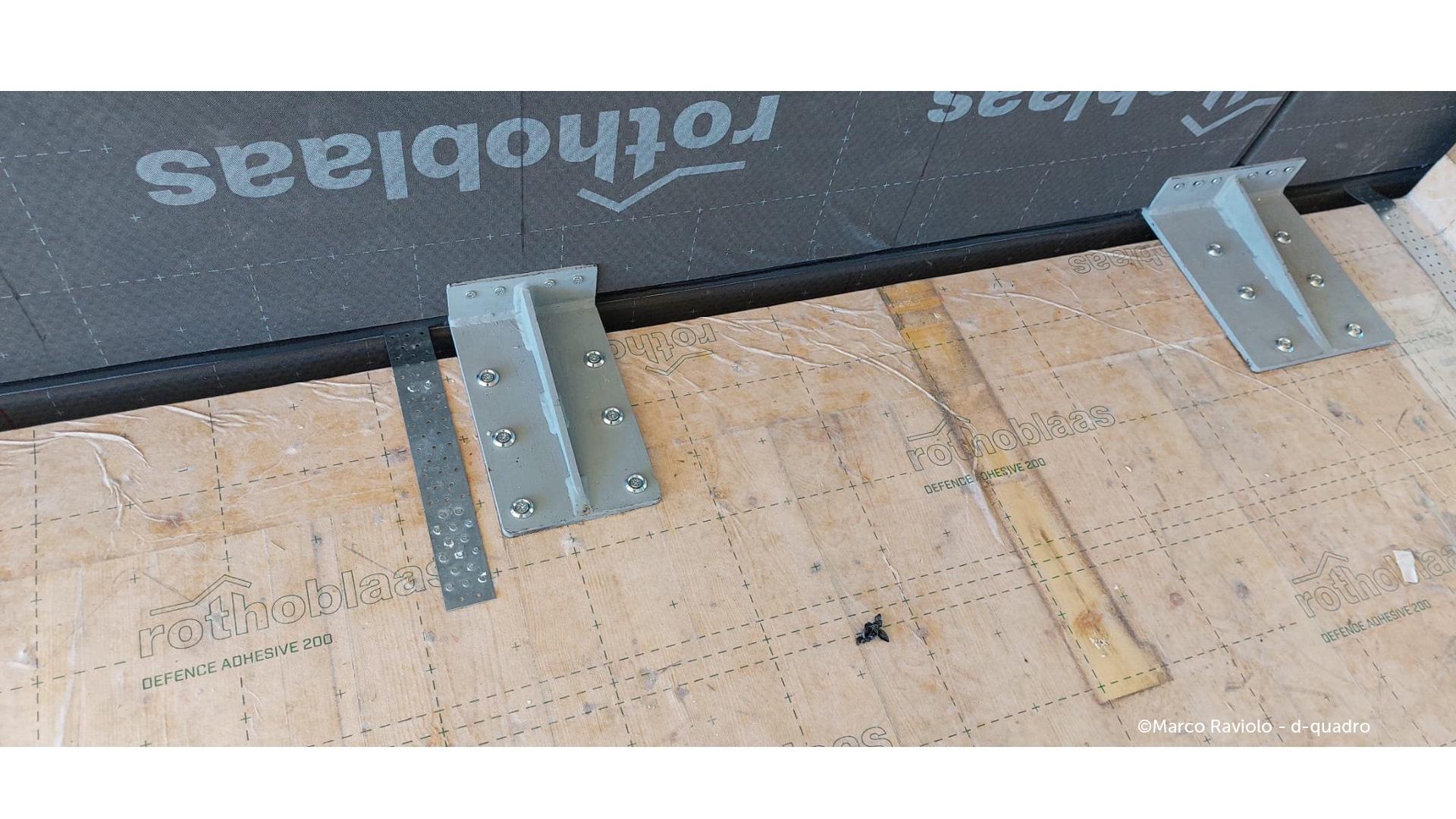
"Timber offers a highly favourable stiffness-to-weight ratio, a decisive advantage when working on existing buildings where additional structural loads must be kept to a minimum. Connections remain a critical aspect: the system must be qualified and capable of guaranteeing both structural and seismic performance. Solutions such as HBS PLATE, brackets for smaller fasteners, together with certified screws and plates, make it possible to create reliable connections that meet the required performance standards."
How are issues such as fire performance, durability and maintenance addressed?
On this point, both engineers share the same view: there are no shortcuts. "Fire performance must be considered from the earliest design stages, with compartmentation, cavity protection and the overall fire-safety strategy defined from the outset. Likewise, panel modularity must be calibrated according to weight, dimensions, transport requirements, installation orientation and intended use."
"Durability,” Ferrario stresses, “is a requirement that the system must be able to guarantee through certification."
"The key issue,” Raviolo concludes, “is adopting a holistic approach to the design of a prefabricated façade, taking into account airtightness, waterproofing, thermal and acoustic insulation, structural performance, fire safety and maintenance requirements. Every construction detail must be addressed with these design requirements in mind, developing solutions in collaboration with suppliers and installers to ensure quality at every stage, from manufacturing through to final installation on site.
These are, in short, relatively new solutions that ultimately depend on informed clients, a well-coordinated supply chain and an integrated design approach. Yet it is precisely this combination that opens up a practical opportunity: transforming retrofit into a process that is not only higher-performing, but also repeatable and scalable.
To learn more about building envelope solutions and technologies, browse the dedicated Rothoblaas catalogue.
All rights reserved